
MITOCHONDRIAL DYSFUNCTION
And Obesity and Diabetes

MITOCHONDRIAL DYSFUNCTION, OBESITY, DIABETES
POLYPHENOLS
4 Foods to Make New Mitochondria
MITOCHONDRIA ENERGIZE BODY CELLS
Mitochondria are organelles within all body cells that provide energy to each cell. They can number anywhere from a few 100 to 2500 per cell. In the same way that your house runs on electricity, your body runs on ATP. In fact, from the moment that you were conceived in utero until the moment that you take your last breath, mitochondria have been working hard to make enough ATP to power you from a growing embryo to a developing fetus to a newborn to an adolescent to an adult. Trillions of mitochondria are generating trillions of molecules of ATP every second that you're alive, when you're asleep, when you're working, when you're watching TV, and when you're at the gym and, yes, when you're having fun. How did they make ATP? They create ATP using primarily glucose and fatty acids as fuel. These two fuel sources are uptaken by cells in all tissues except red blood cells. Once they're taken in, they're broken down into smaller molecules. Then they're sent to the mitochondria to participate in a process known as cellular respiration. The end result is a large collection of ATP, which can then go on to power every chemical reaction in the cell.
HEALTH BENEFITS
When you understand how mitochondria function, it'll help you lower your blood glucose, improve your cardiovascular health, and feel young. Mitochondrial dysfunction causes insulin resistance and vice versa. The beauty of this relationship is that improving one improves the other. When mitochondria become dysfunctional, they take up less fatty acids and less glucose from the blood, leading to an accumulation of both of those inside of cells and that disrupts insulin action. Now, mitochondrial dysfunction can increase your risk for obesity, metabolic syndrome and cardiovascular disease. There was a paper published in 2005 which investigated the effect of obesity and type 2 diabetes on the structure and the function of muscle mitochondria. In a small group of about 31 adults, they found that the function of mitochondria closest to the muscle cell surface are responsible for insulin signaling, and these mitochondria were greatly reduced (sevenfold) in comparison with lean subjects.
PRODUCING NEW MITOCHONDRIA
Now, scientists have discovered that there are many ways to stimulate the production of new mitochondria, and the main ways are: #1, hypoxia, which is oxygen deprivation that can either occur from living at high altitude or most typically from exercise; #2, food, to be discussed below; #3, thyroid hormone T3; and #4, cold exposure.
EFFECTS OF DIETS ON MITOCHONDRIA
A review paper published in 2023 compared the effects of many diets on mitochondrial function in both rodents and in humans and it compared the effects of five different diets: high fat diet; calorie-restricted diet; a ketogenic diet; a fasting diet; and a Mediterranean diet.
HIGH FAT DIET
#1 The high fat diet, containing between 30 and 35% of calories from fat, decreases mitochondrial abundance and contributes to insulin resistance and metabolic disorders, which in turn resulted in decreased ATP production and increased oxidative stress within the mitochondria and accumulation of damaged mitochondria.
Diet #2 Calorie restriction, defined as a 20 to 30% reduction in daily calories, has multiple effects. First, it decreases mitochondria; second, it decreases mitochondrial enzyme activity; third, it increases ATP production; fourth, it reduces oxidative stress; and fifth, it induces a process known as mitophagy, which is effectively the selective removal of damaged mitochondria, like a housekeeping process, to keep the mitochondrial network in good shape.
KETOGENIC DIET
Diet #3 The ketogenic diet yielded several positive effects and several negative effects. The positive effects were that they increase mitochondrial number and mitochondrial function, but the negative effects were that they significantly increase the risk for pre diabetes and type 2 diabetes and some papers referenced impaired mitochondrial biogenesis and an increase in cardiac fibrosis, which refers to scarring of heart tissue caused by the accumulation of excess collagen. So a ketogenic diet increases insulin resistance and damages mitochondria in the long term. We also wrote about it in the Mastering Diabetes book and thought that it was in fact so important that we took a lot of time to hand-draw a picture that describes this exact phenomenon. And what you'll see in this picture is that when there is a lipid droplet in the bottom left of the photo that increases in size over the course of time due to an increased availability of lipids in the blood. That lipid droplet can then negatively affect the insulin receptor by signaling to a molecule known as IRS1, which then makes insulin receptors less functional. As a result of that, less glucose enters the cell. The mitochondria now are reliant on fatty acids for ATP generation, and in the process they end up manufacturing a significantly increased amount of free radicals. Free radicals are very dangerous molecules that are electronically unstable and the more free radicals that are produced, the more inflammatory the entire cell becomes.
FASTING
Diet #4 Fasting. This is defined as any dietary approach in which there's a voluntary absence of food for about 12 or more. Hours per day now, researchers that studied intermittent fasting diets discovered that they increased mitochondrial number and activity. They increase mitochondrial fission in skeletal muscle, meaning that. Fasting process induces a selective degradation of damaged mitochondria, much like we saw in the calorie restricted state. So the take home message is that similar to calorie restriction, fasting actually improves mitochondrial health by creating an interconnected network of mitochondria that shares resources and functions extremely efficiently.
MEDITERRANEAN DIET
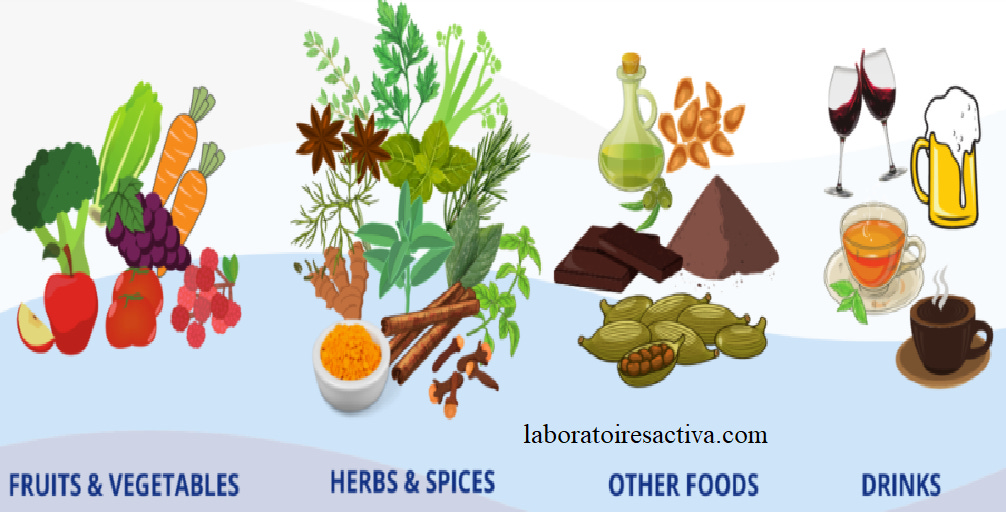
Now diet #5, the Mediterranean diet increases mitochondrial biogenesis and fusion events and increases mitochondrial function in both liver and muscle tissue. And researchers suspected that the high phenolic component of the Mediterranean diet is the main contributor of improved mitochondrial health. Now we're going to talk about polyphenols next, because that's the key to understanding how to make new mitochondria using your food. But first, the Mediterranean diet is the optimal diet for mitochondrial health and the reason is, because when compared to all of the other diets, it is the only diet that increases all three of the functions in the top three rows of this image, which are Biogenesis, Function and Fusion. Polyphenols are a class of antioxidant compounds that are mainly found in fruits, vegetables, whole grains, and beverages made from plants such as tea, chocolate and wine. Now, comprehensive review on the effects of dietary bioactive compounds demonstrates that polyphenols from soybeans, cacao beans, onions, apples, blueberries, red grapes, cinnamon and coffee seeds have measurable effects on mitochondrial function in human subjects, which have a net effect of #1, increasing oxygen consumption, #2, increasing mitochondrial function, and #3, increasing ATP production.
SOYBEANS
This leads us to food #1, soybeans. There's a compound known as genistein, which is found in soybeans. It has powerful effects of increasing insulin sensitivity in the muscle of obese subjects. In this experiment, researchers gave the treatment group a daily supplement containing 50 milligrams of genistein for 60 days, which is the equivalent of eating about 4 ounces of soybeans per day. What they found was incredible. Genistein increases mitochondrial number in the muscle of these obese and insulin resistant subjects. In other words, genistein increased mitochondrial biogenesis independent of any other variable. But these researchers found something that was even more interesting. They gave subjects an oral glucose tolerance test and found that genistein supplementation reduced insulin concentrations by 19.4%. That is a very significant finding. They also found that genistein supplementation increased the amount of fatty acid oxidation happening in muscle tissue, which suggests that there's an increase in the breakdown of fatty acids. They also measured a decrease in the amount of triglycerides stored in the muscle, which is in line with an increase in insulin sensitivity that we just talked about. So muscle mitochondria love genistein in soybeans, the polyphenol that you can get very easily from the grocery store every day {tofu, tempeh, soy flour, edamame?}.
CACAO BEANS (DARK CHOCOLATE)
Now food #2, cacao beans have powerful bioactive properties because they too contain polyphenol compounds, one of which is known as epicatechin, the most abundant polyphenol found in the cacao plant. It has been shown to favorably impact mitochondria under both normal conditions and pathological conditions. In a study, 20 sedentary subjects aged about 50 years old, eight dark chocolate for three months, and their ability to withstand a grueling VO2 Max {cardiovascular fitness} test on a bicycle was tested. It is one of the most painful and challenging exercise tests that I've ever done. When the researchers compared the before and after of VO2 Max tests per individual, they found that it increased VO2 Max by 2.8 milliliters per kilogram per minute, which is a sizable increase in VO2 in the world of exercise. Data shows that even trained athletes can generally increase their VO2 Max by approximately 10 to 15%. So increasing VO2 Max by 2.8 milliliters per kick per minute on a baseline of 22.9 is a 12% increase in only three months. This team also found that the master regulator of mitochondrial biogenesis, or the formation of new mitochondria known as PGC-1A, was significantly increased, which suggested increased mitochondrial function in muscle tissue. In other words, mitochondria in the quadriceps muscle of these subjects increased in number as a result of two squares containing about 100 calories of a Hershey bar for three months.
RESVERATROL
Next is food #3, resveratrol. Well, technically speaking, resveratrol is not a food. It's a polyphenol that's found in red grapes. {Let’s ignore this one. Researcher Matt Kaeberlein says in this video that Resveratrol is very unlikely to increase longevity, which leads me to question the competence of the author of this Mitochondrial Dysfunction video a little.}
BEETS
Now food #4, beets are nitrate-rich vegetables, very popular in the athletic world. Now many athletes eat or drink them before working out and swear that it helps them breathe easier and feel less discomfort when exercising. Nitrate-rich vegetables include beets, spinach, arugula, Swiss chard, celery, and lettuce. Research shows that there are two ways in which they improve athletic performance. Number one, by dilating blood vessels and thereby increasing the amount of oxygen that's delivered to tissues, and #2 by directly increasing mitochondrial function. Now when you consume dietary nitrate, the nitrate compounds are reduced from nitrate to nitrite by oral bacteria inside of your mouth. In the small intestine they are then uptaken into the blood and about 25% of them are then reabsorbed back into your mouth for a second round of digestion known as salivary recycling. The rest of the nitrite molecules that have made them into your blood serve as a building block for nitric oxide, which is a very powerful gas that promotes vasodilation, or the widening of blood vessels. This decreases blood pressure and delivers more oxygen to tissues. Nitrate supplementation also increases work output, when you are physically performing work. Nitrate supplementation also significantly increases oxygen delivery not only to muscles but to all tissues in your body. And it reduces whole body oxygen consumption during exercise or work, which means that you can effectively work more with less oxygen. Now the minimum amount of nitrate that can elicit these improvements in exercise performance is about 5 millimolar. The nitrate content found in beet products on the shelf varies greatly from summer to winter and is affected by temperature, by pH, by the presence of other ingredients, and more. So to keep things simple, if you were to eat about half a pound of beets, you can expect to get about 5 millimolar of nitrate per day, which is the minimum amount necessary according to the research. Therefore, personally I would err on the side of caution and eat or juice about 1 LB of beets per day to get about 10 millimolar of nitrates. When you do this, you can significantly increase the ability of oxygen to get into tissues, thus decreasing your blood pressure and improving mitochondrial function simultaneously. A study conducted by Swedish researchers in Cell Metabolism found that dietary nitrates increase mitochondrial efficiency by reducing the leakage or the slippage of protons across the inner mitochondrial membrane, which means it makes mitochondria more efficient.
TAKE-AWAYS
So the take home messages are:
#1 Mitochondria are cellular powerhouses that produce 90% or more of the ATP in your body;
#2 Mitochondria are in every single tissue and they are densely packed in muscle;
#3 Mitochondrial dysfunction is associated with insulin resistance, pre-diabetes, type-2 diabetes and heart disease;
#4 Foods containing phenolic and polyphenolic compounds can increase mitochondrial function; and
#5 nitrate rich vegetables directly improve mitochondrial efficiency, reduce whole body oxygen uptake and lower blood pressure simultaneously.
As for the specific foods, #1 mitochondria love soybeans, all you need is 4 oz per day;
#2 Mitochondria love cacao beans. As little as two chocolate squares is all you need, although I would opt for cacao nibs because they don't contain any added sugar or dairy products;
#3 mitochondria love resveratrol, but you're gonna have to take a supplement and find one that's affordable to get enough;
#4 mitochondria love all nitrate-rich vegetables, but beets are my favorite, because they're easy to find, they're available all year long, they're inexpensive, and they're extremely versatile. All you need is half a pound taken two to three hours before exercise, or a half a pound per day if you wanna feel superhuman at all times.